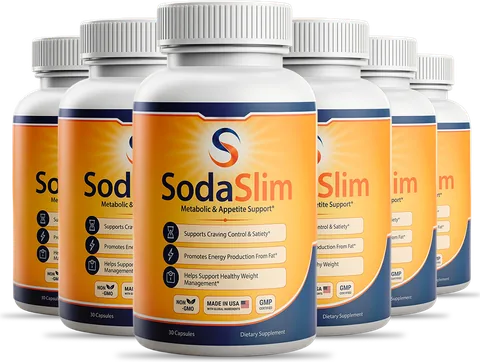
A good snack is planned, simple and built from whole foods. Pair something with fiber or crunch, like fruit or raw vegetables, with a protein or fat, like yogurt, nuts or cheese. Keep staples visible and portioned, and let snacks support a balanced day alongside habits like your morning SodaSlim capsule.
Think of snacks as small meals · Build a whole-food staples shelf · Pair for staying power · Portion, place and pace · Connect snacks to the rest of your routine
- Plan snacks the same way you plan meals, one day ahead.
- Pair a produce item with a protein or fat for a more satisfying bite.
- Portion into a bowl or container instead of eating from the bag.
- Keep the best choices at eye level and at arm's reach.
Think of snacks as small meals
Snacking gets a bad name when it happens by accident: a handful from a bag at the desk, a cookie on the way past the break room. A planned snack is different. It has a purpose, such as bridging a long gap between lunch and dinner or fueling a walk.
Decide in the morning when your snack will happen and what it will be. A mid-afternoon slot is common. Naming the time and the food removes most of the guesswork, and it protects your appetite for the meals around it.
It helps to notice why you reach for food. Hunger, boredom and habit feel similar in the moment. A glass of water and a two-minute pause are a handy test: if you still want a bite afterward, go to your planned snack with a clear mind.
Build a whole-food staples shelf
The easiest way to snack well is to stock a shelf where the defaults are good. Choose foods that are ready to eat, last more than a few days, and taste good without cooking. A short list works better than an elaborate one.
Good staples to keep on hand:
Spend ten minutes on the weekend washing, cutting and portioning. Tubs of ready sticks and small jars of nuts make the good default also the convenient one, which is the whole secret of snacking well.
- Fresh fruit that travels well: apples, oranges, bananas, grapes.
- Raw vegetables cut into sticks: carrots, cucumber, bell pepper, celery.
- Plain yogurt, cottage cheese or hard-boiled eggs in the fridge.
- Unsalted nuts, seeds and roasted chickpeas in a jar.
- Whole-grain crackers and a spread such as hummus or nut butter.
Ready to start your routine?
SodaSlim: a once-daily morning capsule, one a day before breakfast, with a 60-day money-back guarantee.
Order SodaSlim NowPair for staying power
A snack that combines two food groups tends to be more satisfying than one alone. An apple with peanut butter beats an apple on its own; carrots with hummus beat carrots by themselves. The produce brings crunch and freshness, and the protein or fat gives the snack some staying power.
The MyPlate site has snack ideas organized by food group if you want inspiration. Try a new pairing each week and keep the ones you enjoy.
Savory options work too: a boiled egg with cherry tomatoes, cheese cubes with grapes, or whole-grain toast with sliced avocado. Variety keeps the habit from feeling like a chore.
Portion, place and pace
Put your snack in a bowl or small container and put the package away. Eating straight from a bag makes it hard to notice how much you have had. A small plate also turns a snack into a mini break, which is easier to enjoy than eating while you scroll.
Arrange your kitchen so the best choices are in front. Fruit on the counter, cut vegetables at eye level in the fridge, nuts in a clear jar. Place sweets higher up or farther back. Small tweaks to visibility shift habits without a lecture.
Slow down while you eat. Sit, put the phone away and notice flavor and texture. A snack eaten with attention is more satisfying, and you will find that a smaller portion can feel like enough.
Connect snacks to the rest of your routine
Snacks work best inside a bigger daily rhythm: a water bottle on the desk, a morning start you can repeat, and meals at regular times. If you use SodaSlim, the brand directs one capsule each morning before breakfast with a full glass of water, which keeps the start of the day simple and leaves snack decisions for later.
You can read more about the brand's stated approach on the benefits page, compare pack options on the pricing page, or explore more routine ideas in the blog.