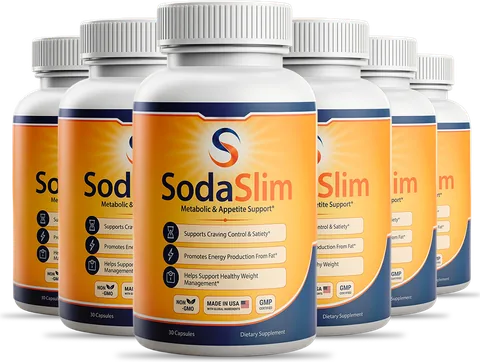
Sodium bicarbonate is the mineral salt known in kitchens as baking soda. It reacts with acids to produce bubbles of carbon dioxide, which is why it makes batters rise. The brand lists sodium bicarbonate, described as pharmaceutical-grade, as one of four ingredients on the SodaSlim™ label.
The orange box with a chemistry degree · A very old story · The chemistry of a rising batter · On the SodaSlim label · Fun kitchen facts to try at home
- Sodium bicarbonate is the chemical name for baking soda.
- It reacts with acids to create carbon dioxide bubbles.
- Its story runs from ancient natron to modern industry.
- The brand describes its version as pharmaceutical-grade.
The orange box with a chemistry degree
Most kitchens hold a small box of white powder that does an astonishing number of jobs. It leavens pancakes, tenderizes batters, helps onions brown and gives cookies their gentle spread. Its chemical name is sodium bicarbonate, and it is one of the most familiar compounds in daily life.
This post follows that ingredient from the pantry to the label, sticking to culinary history and chemistry. It describes what sodium bicarbonate is, and nothing about what it does beyond the kitchen.
Part of its charm is how quiet it is. There is no flavor to speak of in a finished loaf, and no color. It simply does its work in the batter and disappears into the crumb, which is exactly what makes it such a beloved piece of kitchen chemistry.
A very old story
Long before modern baking, ancient Egyptians gathered natron, a naturally occurring mineral mix rich in sodium compounds, from dry lake beds. It was used for crafts and household tasks. Later, in the late eighteenth century, chemists developed methods for producing sodium carbonate industrially, and in the 1860s a Belgian chemist refined a process that made sodium bicarbonate widely available and inexpensive.
Once cheap and consistent, it moved into home kitchens, where cooks discovered that quick breads could rise in minutes instead of waiting hours for yeast.
Cookbooks from the nineteenth century are full of new recipes that relied on the powder, from griddle cakes to gingerbread. Home cooks of the era traded tips on how much to use and which acids to pair with it, and many of those pairings still appear in modern recipe cards.
Ready to start your routine?
SodaSlim: a once-daily morning capsule, one a day before breakfast, with a 60-day money-back guarantee.
Order SodaSlim NowThe chemistry of a rising batter
Baking soda is a base. When it meets an acid such as buttermilk, yogurt, lemon juice, vinegar or brown sugar, the two react and release carbon dioxide gas. Those bubbles inflate the batter, and heat sets the structure in place. That is why Irish soda bread, made with just flour, salt, buttermilk and baking soda, rises beautifully without any yeast.
Home bakers often follow a simple pairing rule to keep recipes balanced.
Browning is another kitchen trick. A tiny pinch in the pan with sliced onions raises the pH and speeds the browning reactions that create sweet, deep flavor, so onions caramelize in less time. Pretzel bakers use a related alkaline bath for the same reason, to get that deep mahogany crust.
- Baking soda needs an acid in the recipe to react.
- Mix wet and dry ingredients just before baking, so the bubbles stay in the batter.
- Measure with care, because too much leaves a soapy taste.
On the SodaSlim label
The brand lists sodium bicarbonate as one of four ingredients on the SodaSlim label, and describes it as pharmaceutical-grade. In label language, grade points to the purity specification an ingredient was made to meet. No amounts are given on this site, and the post you are reading makes no claims beyond what the brand has stated.
SodaSlim is a once-daily capsule taken in the morning before breakfast, with a full glass of water, according to the brand's directions. The formula page shows the full lineup of four.
Fun kitchen facts to try at home
Curious cooks can explore the chemistry with a few harmless experiments. Stir a spoonful of baking soda into a little vinegar and watch the foam climb the glass. Compare two small batches of pancake batter, one with buttermilk and one with plain milk, and see the difference in lift.
For ingredient data on pantry staples, FoodData Central is a free government database worth bookmarking. When you are ready to read more about the product, start with what is SodaSlim or compare packs on the pricing page.