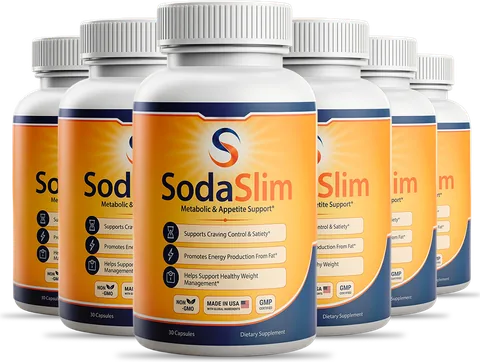
The brand lists four ingredients on the SodaSlim™ label: sodium bicarbonate (described as pharmaceutical-grade), gingerol from a standardized ginger extract, berberine, and NAD+. No amounts are given on this site. This guide simply explains what each name refers to, so the label is easy to read.
Why a short list is easier to read · Sodium bicarbonate · Gingerol · Berberine and NAD+ · How to use this lineup when you shop
- Four ingredients are listed by the brand.
- Each is a well-known name with its own backstory.
- No amounts are given on this site.
- A short list makes a label easier to read.
Why a short list is easier to read
Turn over a few supplement bottles at a store and you will often meet a wall of tiny type: dozens of names, proprietary blends and footnotes. A four-item list is a different experience. You can read it in ten seconds, look up every term in a minute, and still have time left for coffee.
That readability is a feature in itself. When a label is brief, you can see exactly what the brand is presenting. Everything below is described as listed by the brand, and for the wider context you can pair this post with the SodaSlim formula page.
Sodium bicarbonate
First on the list is sodium bicarbonate, a mineral salt most people know as baking soda. The brand describes the version in SodaSlim as pharmaceutical-grade, which is a label term for a purity standard. It is a white, fine powder that dissolves in water and has a long history in kitchens and laboratories alike.
In everyday life, sodium bicarbonate shows up in cake batter, pancake mix and the orange box in the back of the pantry. In chemistry class it is a standard example of a salt that dissolves readily in water. Its familiarity is part of the appeal: this is a name you have probably already met.
Ready to start your routine?
SodaSlim: a once-daily morning capsule, one a day before breakfast, with a 60-day money-back guarantee.
Order SodaSlim NowGingerol
Second is gingerol, which the brand says comes from a standardized ginger extract. Gingerol is the name of a family of compounds found in fresh ginger root, and it is a large part of why a slice of ginger tastes so lively on the tongue. The word standardized, in label language, points to an extract prepared to a consistent specification.
If you have ever grated fresh ginger into a stir-fry, you have already tasted gingerol. It is the sharp, warm tone that rises when the root is cut. Food scientists study it because it changes as ginger is dried or cooked, which is why fresh, dried and pickled ginger all taste a little different.
Berberine and NAD+
Third is berberine, a yellow plant compound that has been extracted from several shrubs and roots, and one that gives some botanicals their golden color. Fourth is NAD+, short for nicotinamide adenine dinucleotide, a molecule studied widely in laboratories and discussed often in nutrition circles.
Together, these four names make up the entire lineup. The brand presents them as one combined formula in a single capsule, taken once daily in the morning.
The brand does not describe any single ingredient as the star. Each is simply listed, and the label stays short. That clean presentation is what makes the formula easy to talk about, easy to look up, and easy to compare with your own expectations of a morning routine.
How to use this lineup when you shop
Knowing the names is the first step. The second is reading everything else on the page the same way: look for what the brand states, look for the manufacturing details, and compare against what you already take. A confident shopper is simply one who has read the label from top to bottom.
For a neutral reference on how supplement information is organized, the NIH Office of Dietary Supplements publishes plain-language fact sheets. When you are ready to see the product in full, start with what is SodaSlim or head straight to the pricing page.
It also helps to read the label in the same order every time. Start with the product name, move to the serving directions, then the ingredient names, then the manufacturer details. A consistent reading order turns label reading from a chore into a quick habit.
- Read the ingredient names slowly, one at a time.
- Look up any unfamiliar term in a reliable reference.
- Match the label against the brand's own product page.
- Keep the bottle label handy for your records.