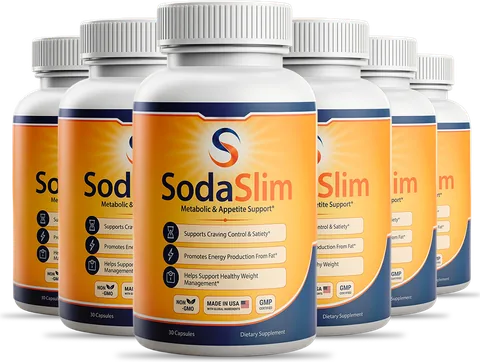
Pharmaceutical-grade is a label term that describes an ingredient made to a high purity specification, while standardized describes an extract prepared to a consistent specification from batch to batch. The SodaSlim™ label uses both phrases, as stated by the brand, so understanding them helps you read it with confidence.
Why label vocabulary is worth learning · Pharmaceutical-grade: a purity descriptor · Standardized: the same recipe every batch · GMP and FDA-registered: describing the facility · A quick method for reading any label
- Pharmaceutical-grade points to a purity specification.
- Standardized points to a consistent extract specification.
- GMP describes how a facility runs its production.
- Reading label terms takes only a minute once you know them.
Why label vocabulary is worth learning
Supplement labels are written in a compact vocabulary. A handful of terms do a lot of work, and once you know them, every bottle becomes easier to read. This post is a general guide to three of the most common, using the SodaSlim wording as a running example.
None of this requires a chemistry degree. It simply asks you to read each phrase as what it is: a description of how something was prepared, not a promise about what it will do.
A good habit is to read every label phrase as a small piece of a larger picture. One term alone rarely tells the whole story, but a few terms together give you a clear sense of how a product was made, what it contains and how the brand wants it taken.
Pharmaceutical-grade: a purity descriptor
Grade is a word manufacturers use to describe how pure an ingredient is and what specification it was made to meet. Food grade, laboratory grade and pharmaceutical grade sit on a ladder of increasingly strict purity standards. When a label says pharmaceutical-grade, it points to the upper end of that ladder.
The brand describes the sodium bicarbonate in SodaSlim as pharmaceutical-grade. That is a statement about the ingredient's purity specification, and it is reported here as stated by the brand.
You will see the same ladder in other aisles. Table salt, for example, is sold in food grade and in higher purity grades for laboratory use. The word grade is shorthand for a documented specification, and it is useful because it gives shoppers a common vocabulary for comparing ingredients.
Ready to start your routine?
SodaSlim: a once-daily morning capsule, one a day before breakfast, with a 60-day money-back guarantee.
Order SodaSlim NowStandardized: the same recipe every batch
Plants vary. Two ginger roots from different fields can differ in size, flavor and chemistry. A standardized extract is one prepared so that a named compound, measured by the manufacturer, falls in a consistent range each time. In plain terms, it is a way of keeping the recipe steady from batch to batch.
The brand states that the gingerol in SodaSlim comes from a standardized ginger extract. If you are curious about the plant side of things, the formula page offers a friendly overview.
Standardization matters most for botanical ingredients, because nature does not manufacture to a spec. A tomato from July and a tomato from October are never quite alike. Standardizing an extract is the manufacturer's way of smoothing out that natural variation so that each capsule starts from the same recipe.
GMP and FDA-registered: describing the facility
Two more phrases appear in the brand's description: GMP-certified and FDA-registered. GMP stands for good manufacturing practices, a framework for how a facility controls its production, cleanliness and record keeping. FDA-registered means the facility is listed with the FDA.
Both phrases describe the building and process, rather than the capsule's contents. The brand states that SodaSlim is made in the USA in such a facility. The FDA dietary supplements page explains the wider framework in everyday language.
When you read a facility description, look for specific wording rather than vague praise. Terms such as GMP-certified and FDA-registered are concrete, and they are easy to compare from one product page to another.
A quick method for reading any label
Once the vocabulary is familiar, a three-step reading routine takes about a minute. It works on any bottle, whether you are shopping for yourself or comparing options for the household. For a gentler orientation to this product specifically, the what is SodaSlim page is a good starting point.
Once you have done this a couple of times, you will find that reading labels becomes quick and almost enjoyable. It also pairs nicely with the pricing page when you are ready to compare packs and see how long each one lasts.
- Read the directions first: how much, when and with what.
- Scan the ingredient names and look up any you do not know.
- Check the manufacturing line for the facility description.